Beautiful Things · Student explorer
Every one of these is a real thing you can see at the exhibition. Tap any object to read its story, see more photos, and watch its film if it has one.
Period 1 · 1850s–1890s
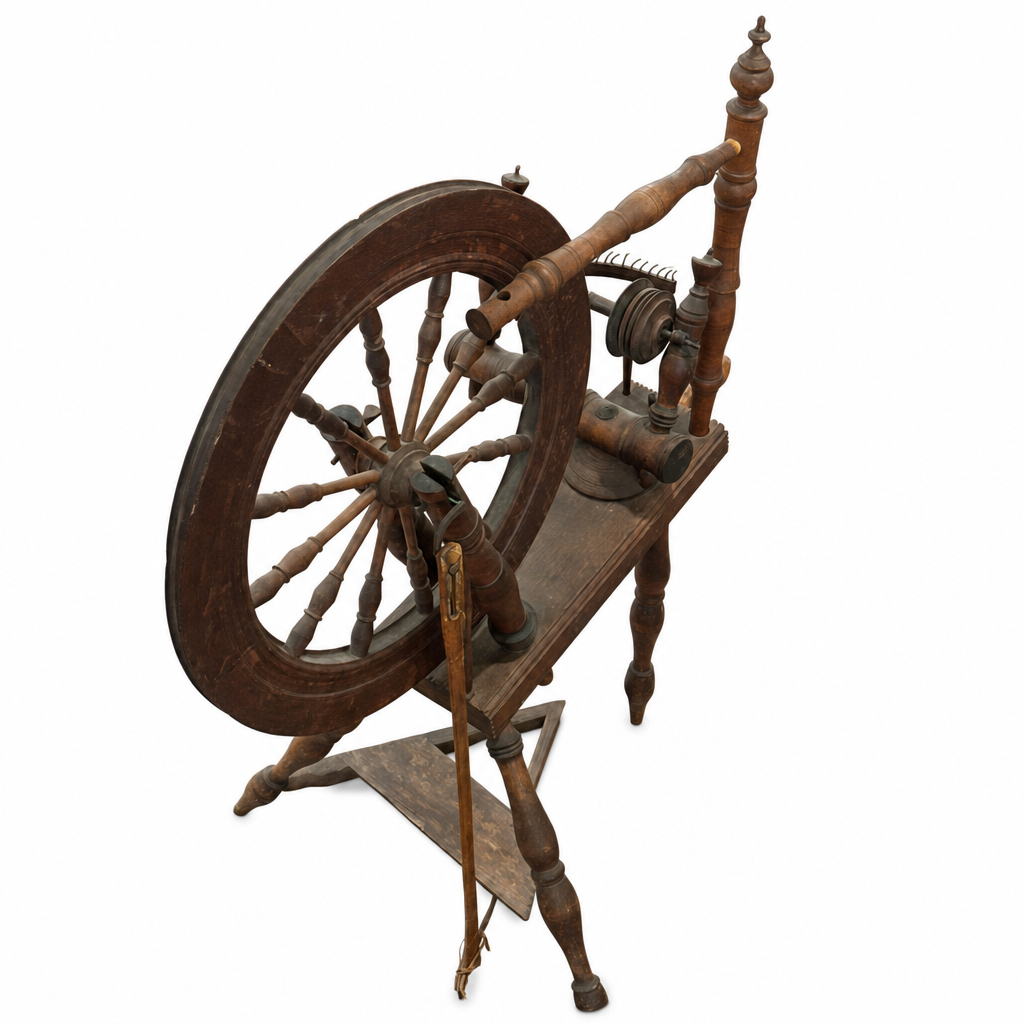
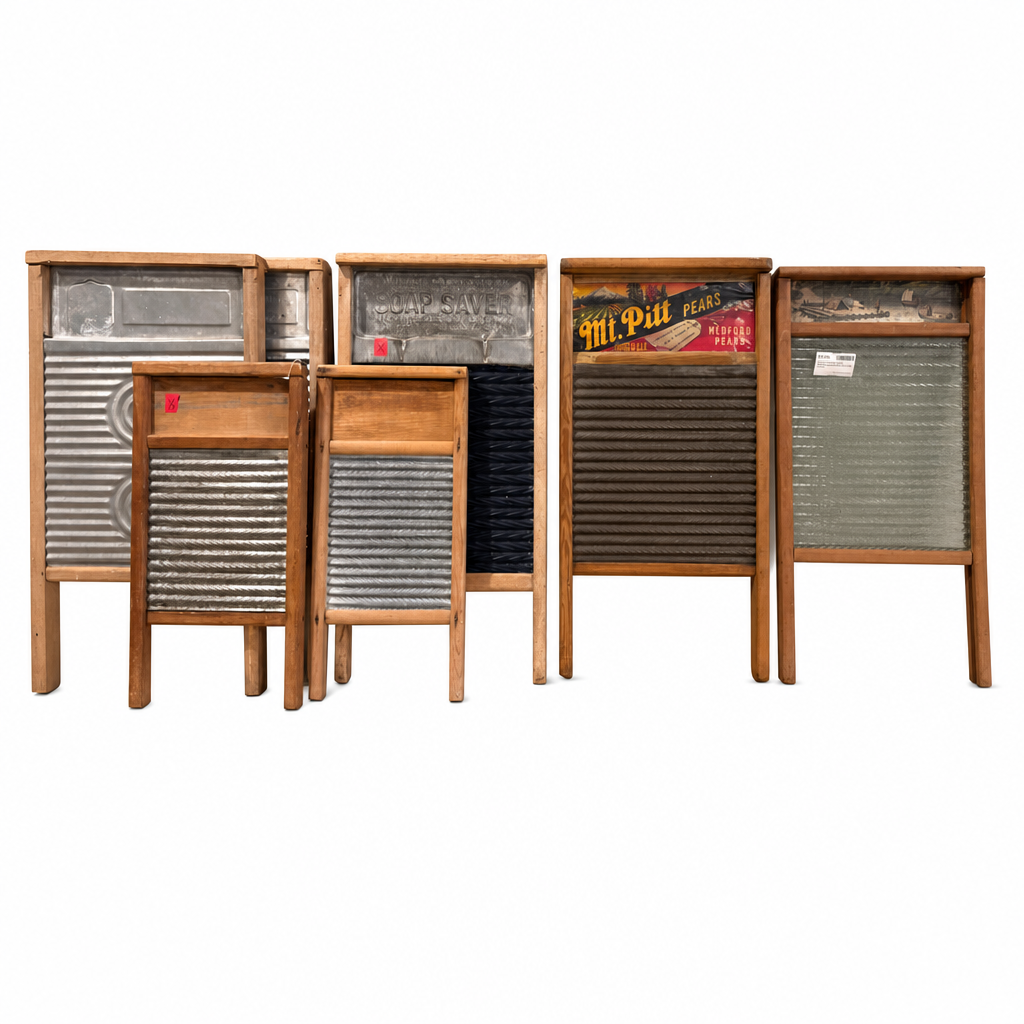
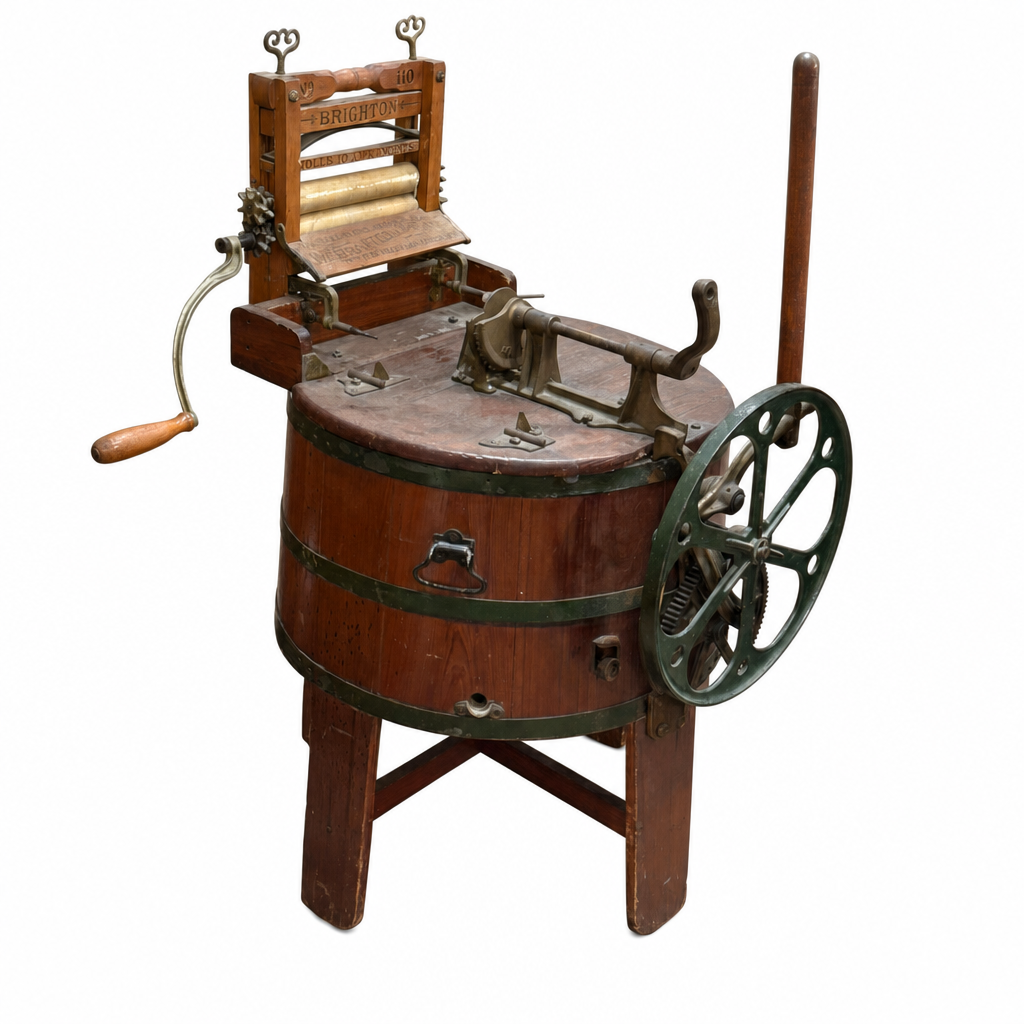
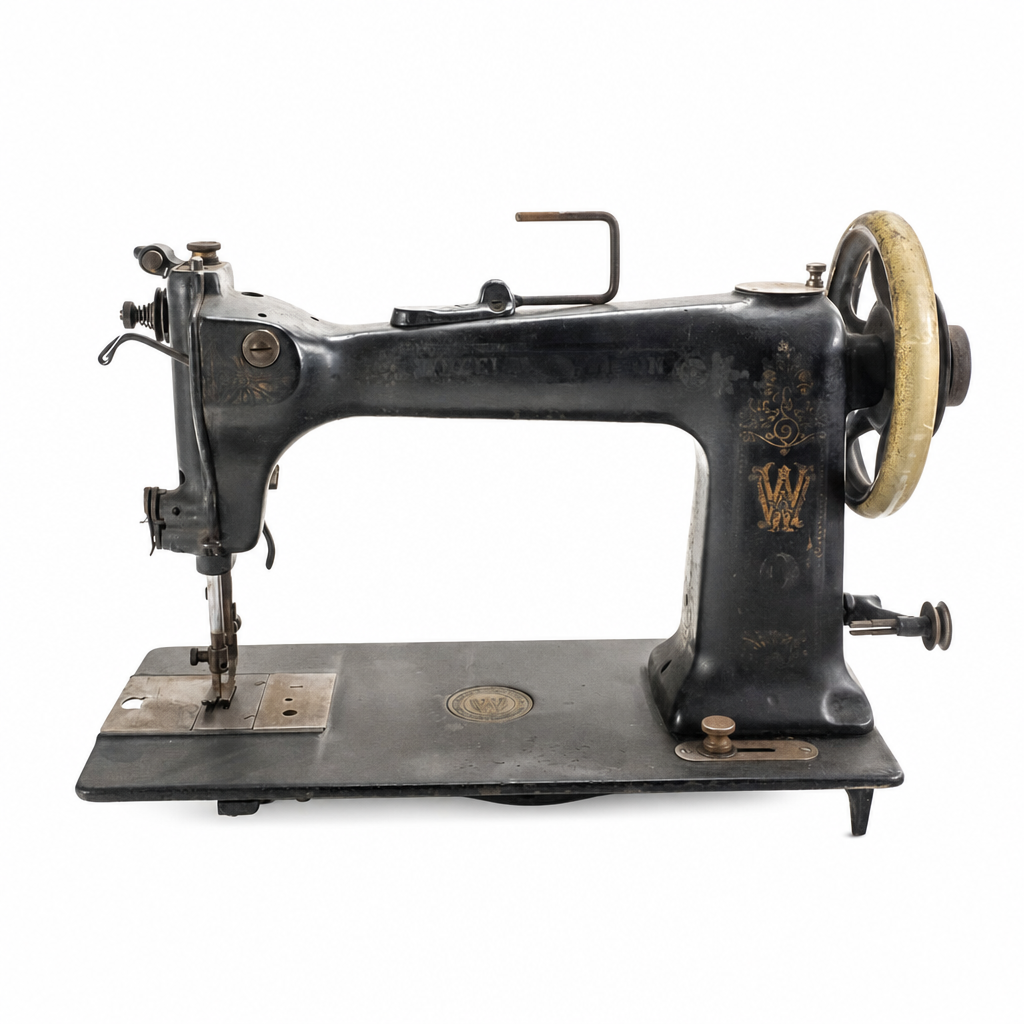
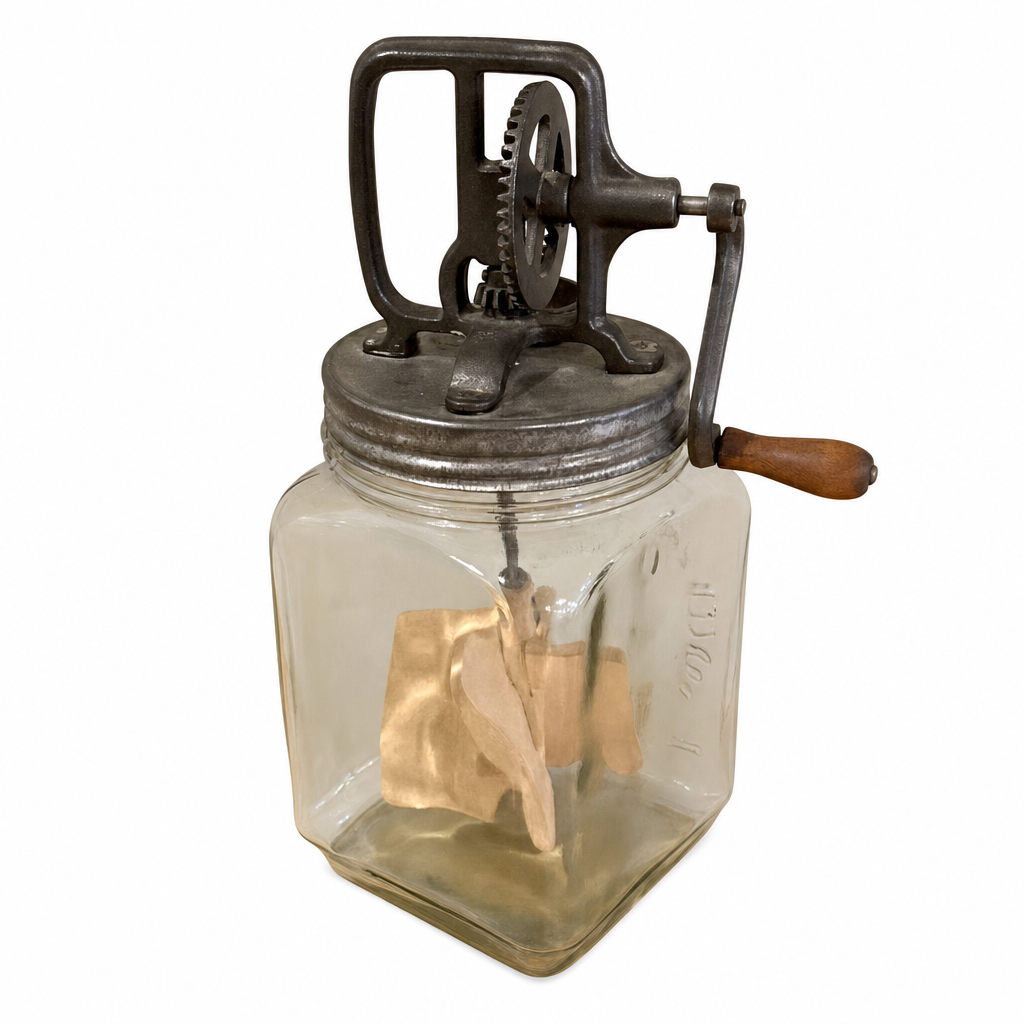
Before electricity, everything at home took muscle: a spinning wheel for thread, washboards and hand-cranked washing machines for laundry, hand-cranked churns for butter, foot-powered sewing machines. Washday meant hauling the water, turning a heavy flywheel by hand, and feeding every piece through a roller wringer.
Period 2 · 1900s–1920s
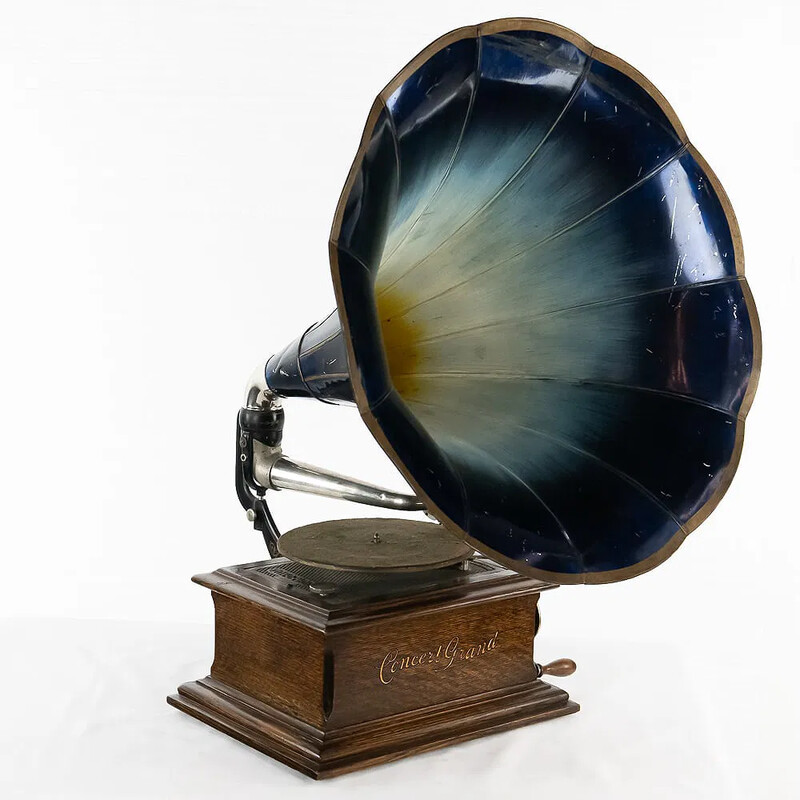
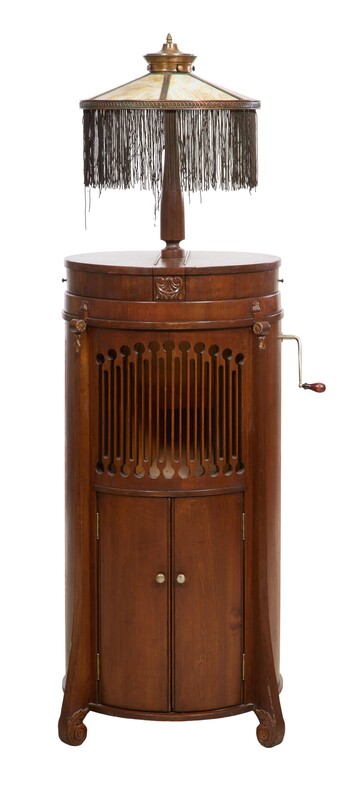
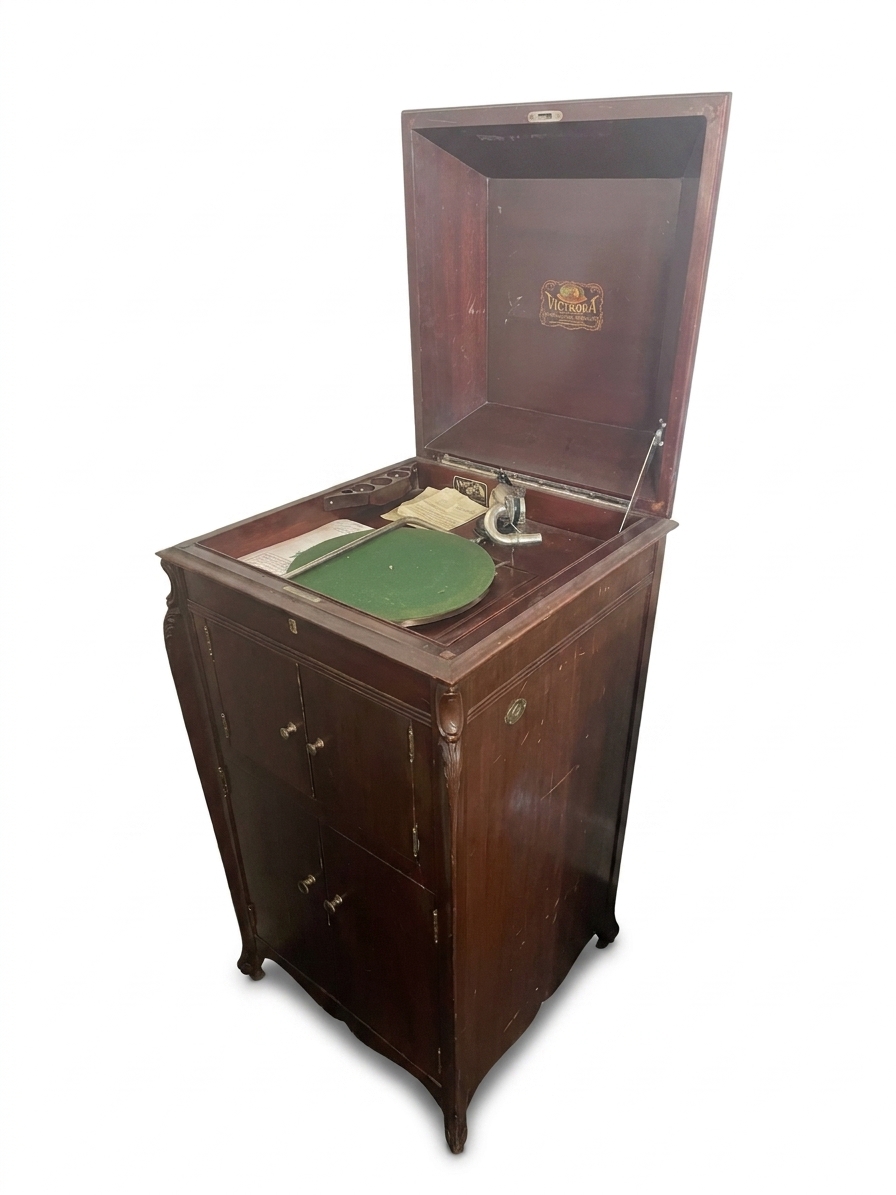
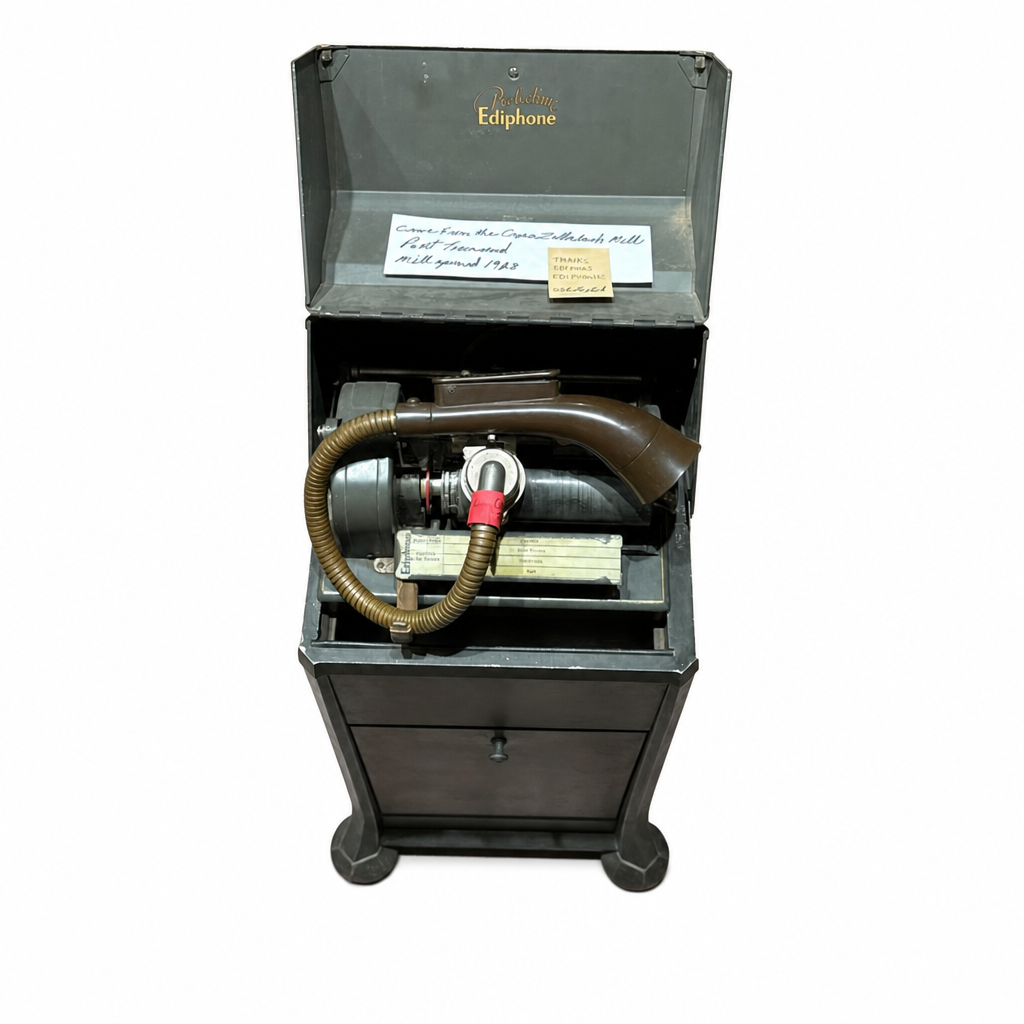
The phonograph let families hear music without a musician in the room: a needle rides the groove of a spinning disc, and a horn makes it loud — no electricity at all. Within twenty years the horn was hidden inside a tall wooden cabinet and the phonograph became furniture.
Period 3 · 1880s–1960s
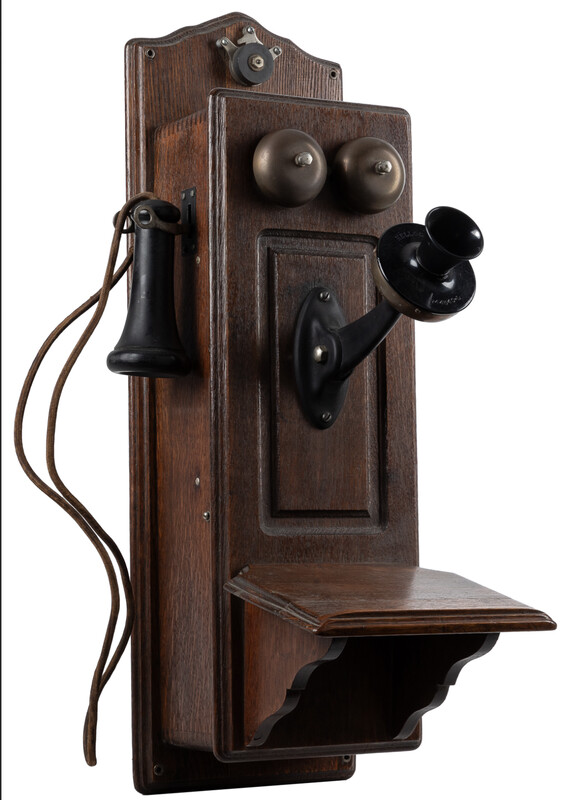
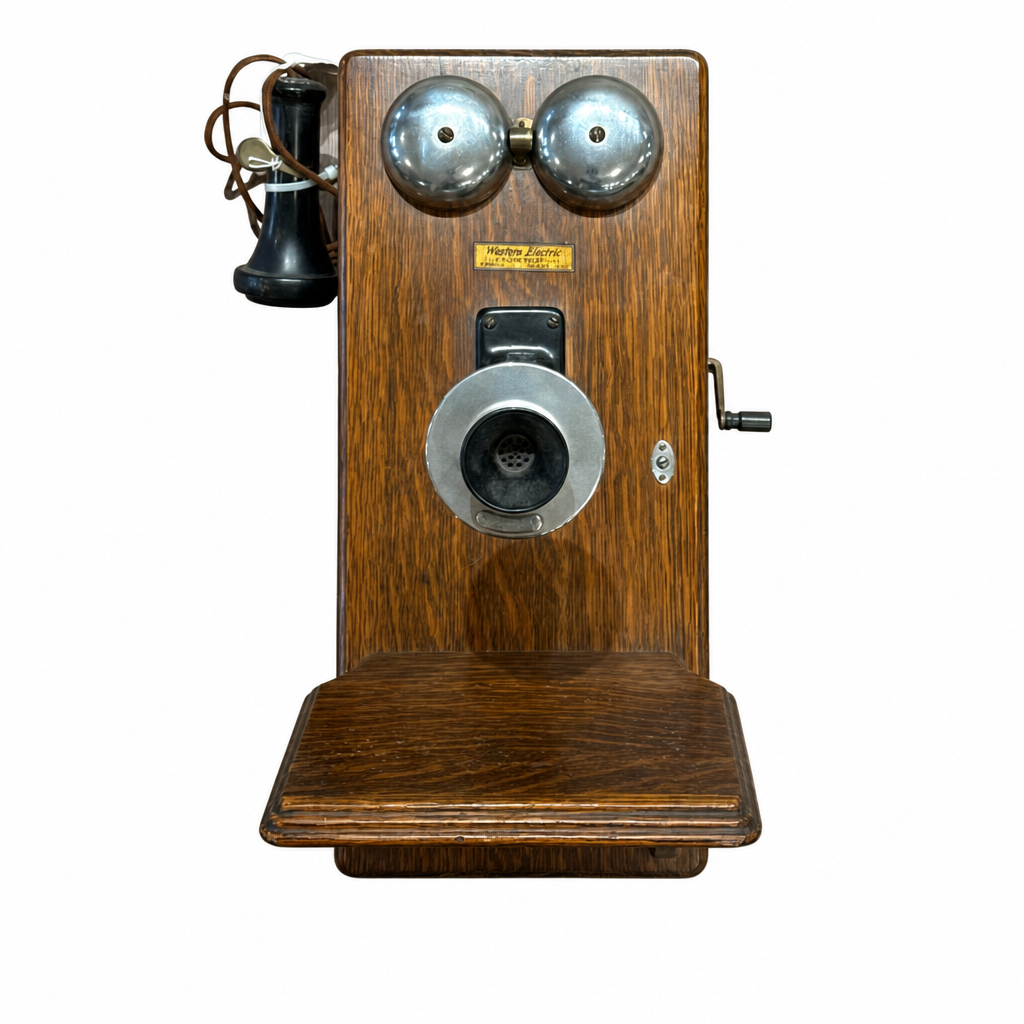
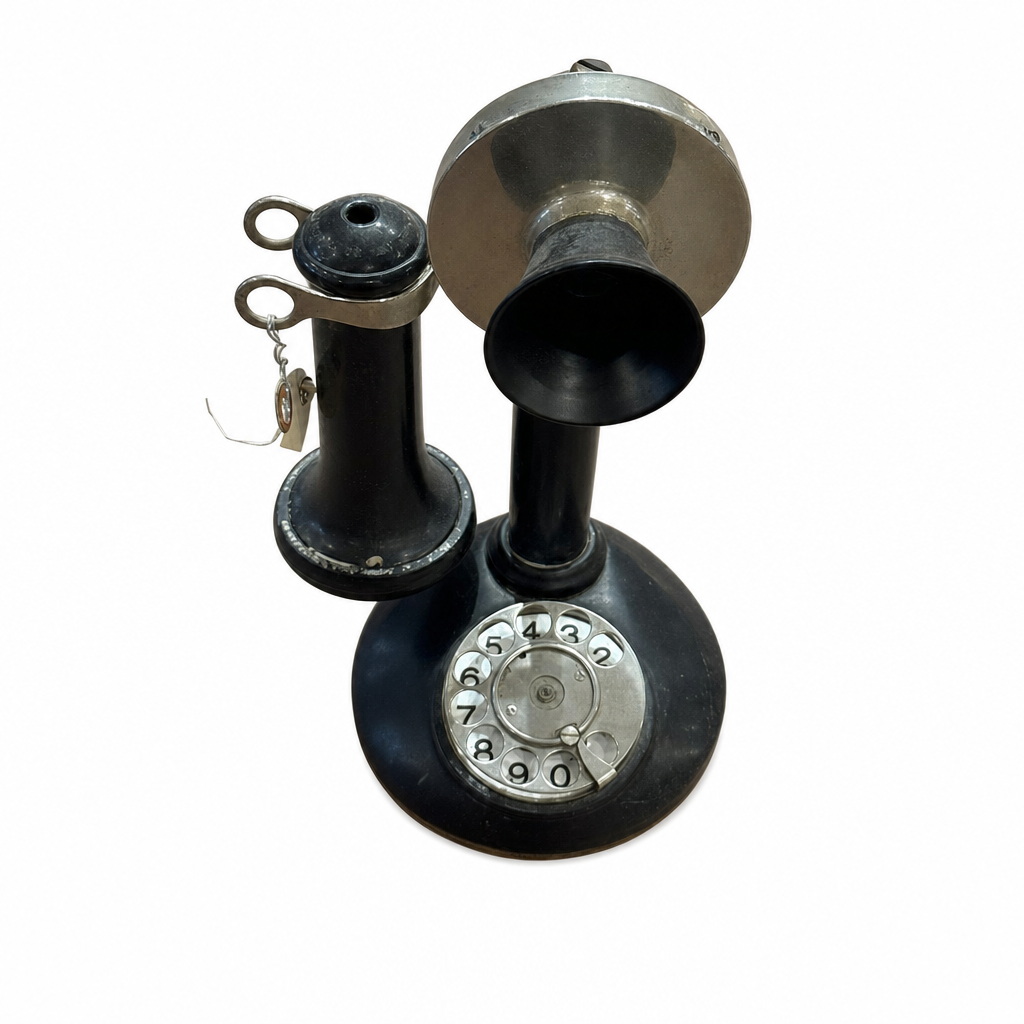
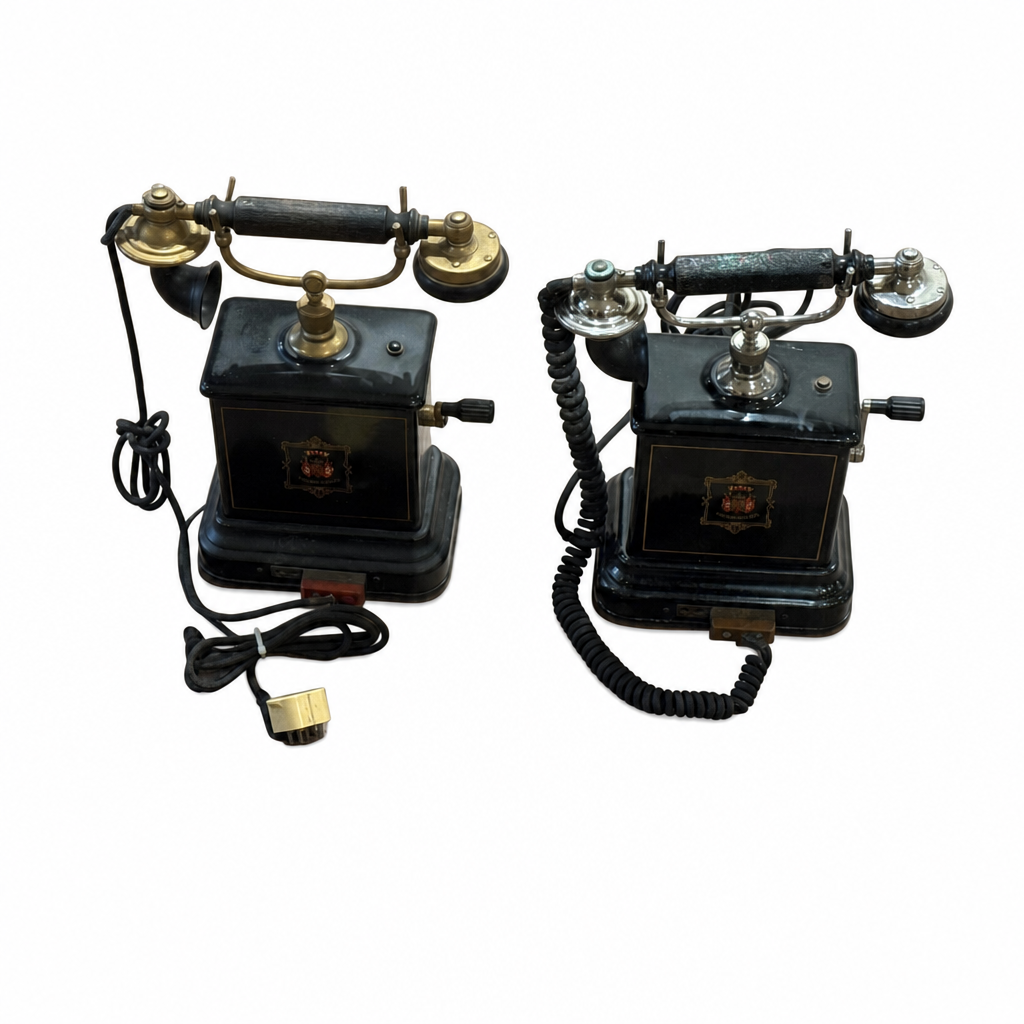
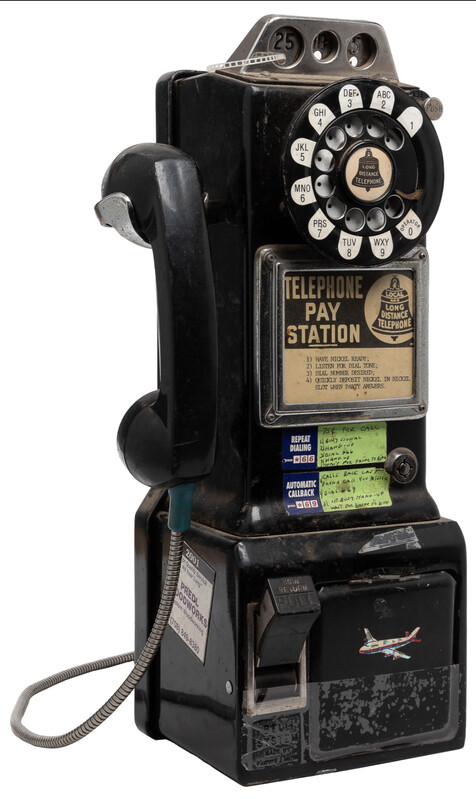
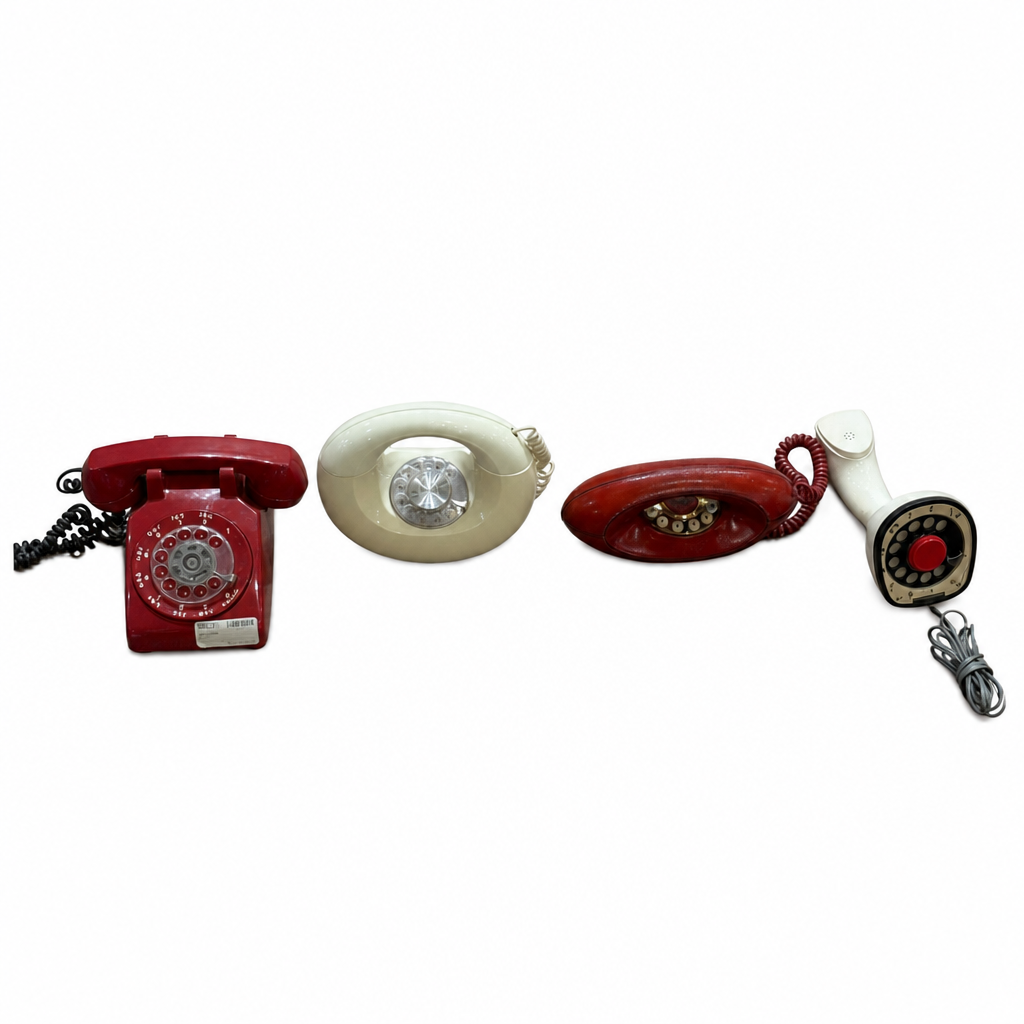
Seattle's first telephone exchange opened in 1883 with ninety subscribers and one operator who had memorized every number. Over the next eighty years the telephone went from a crank box on the kitchen wall to a bright plastic dial phone — and never once had a screen.
Period 4 · 1920s–1940s
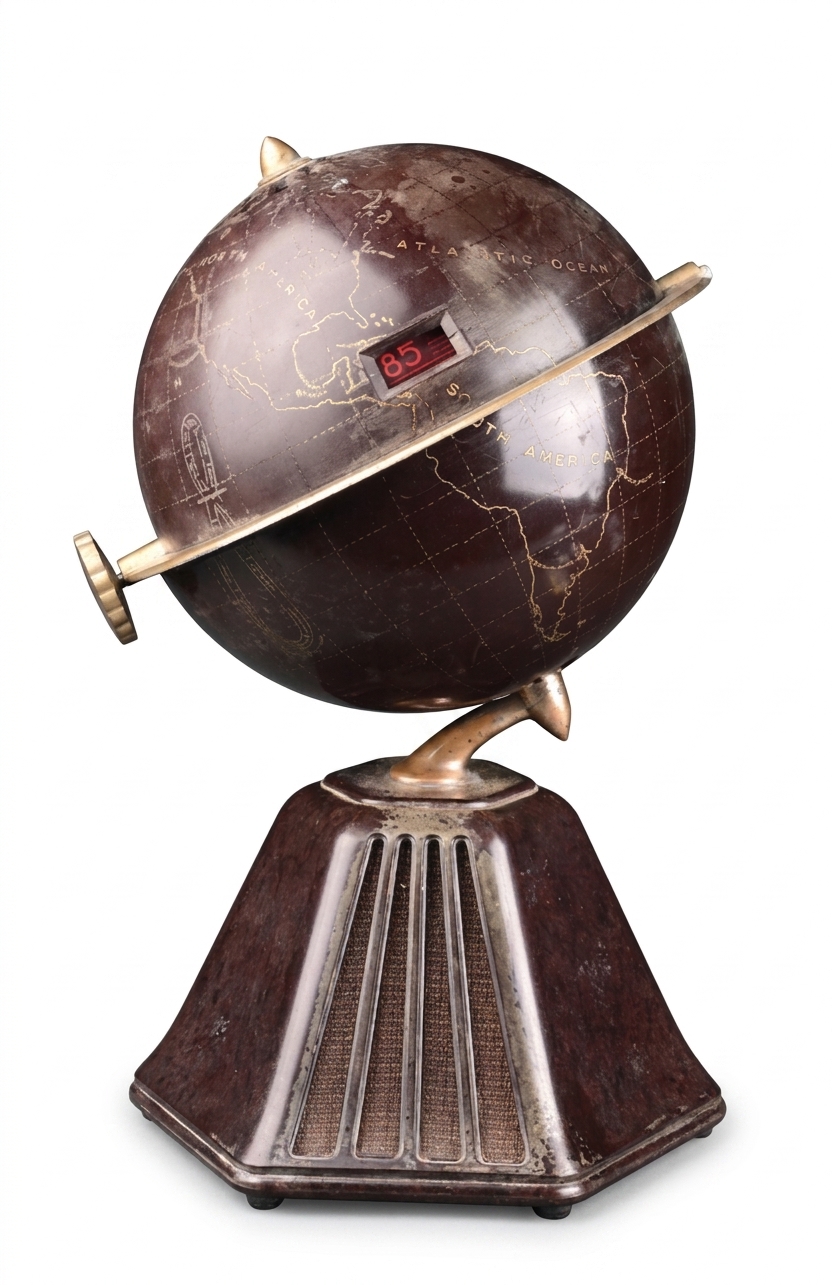
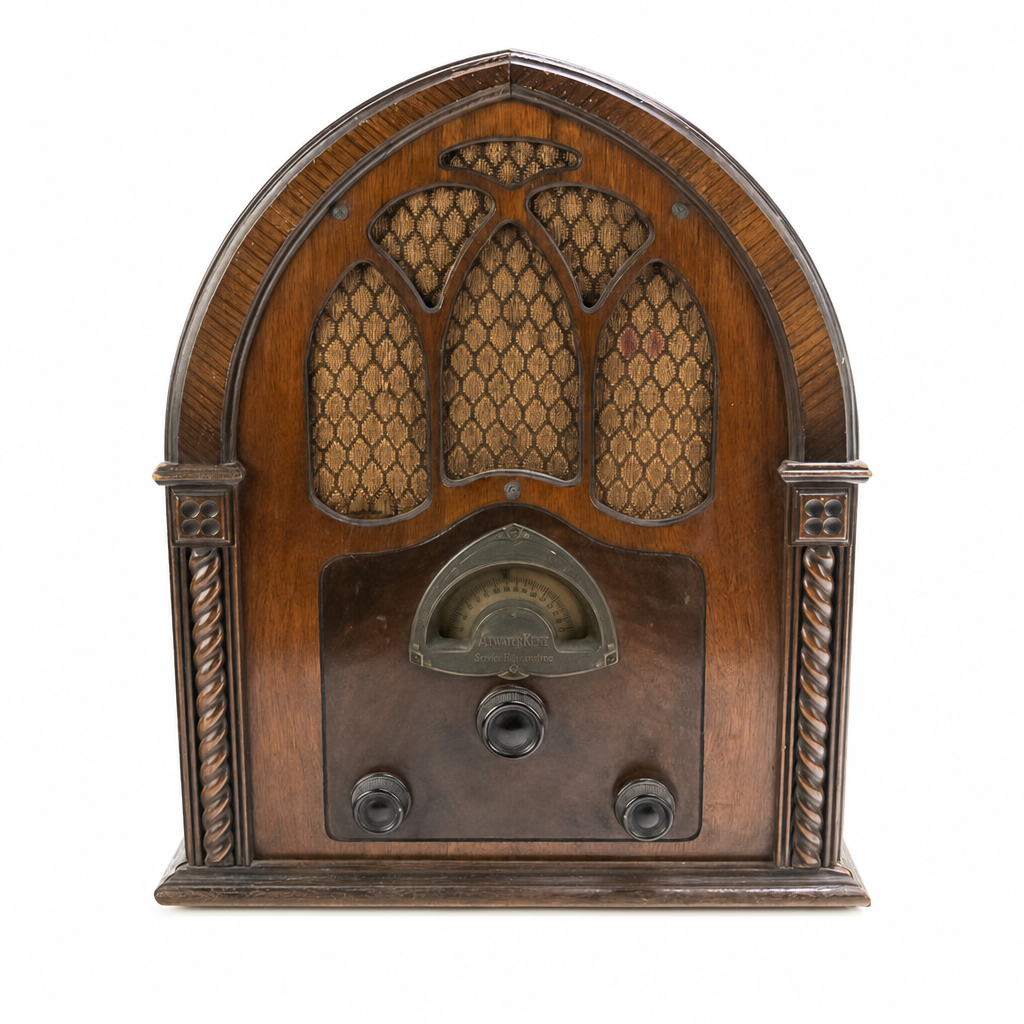
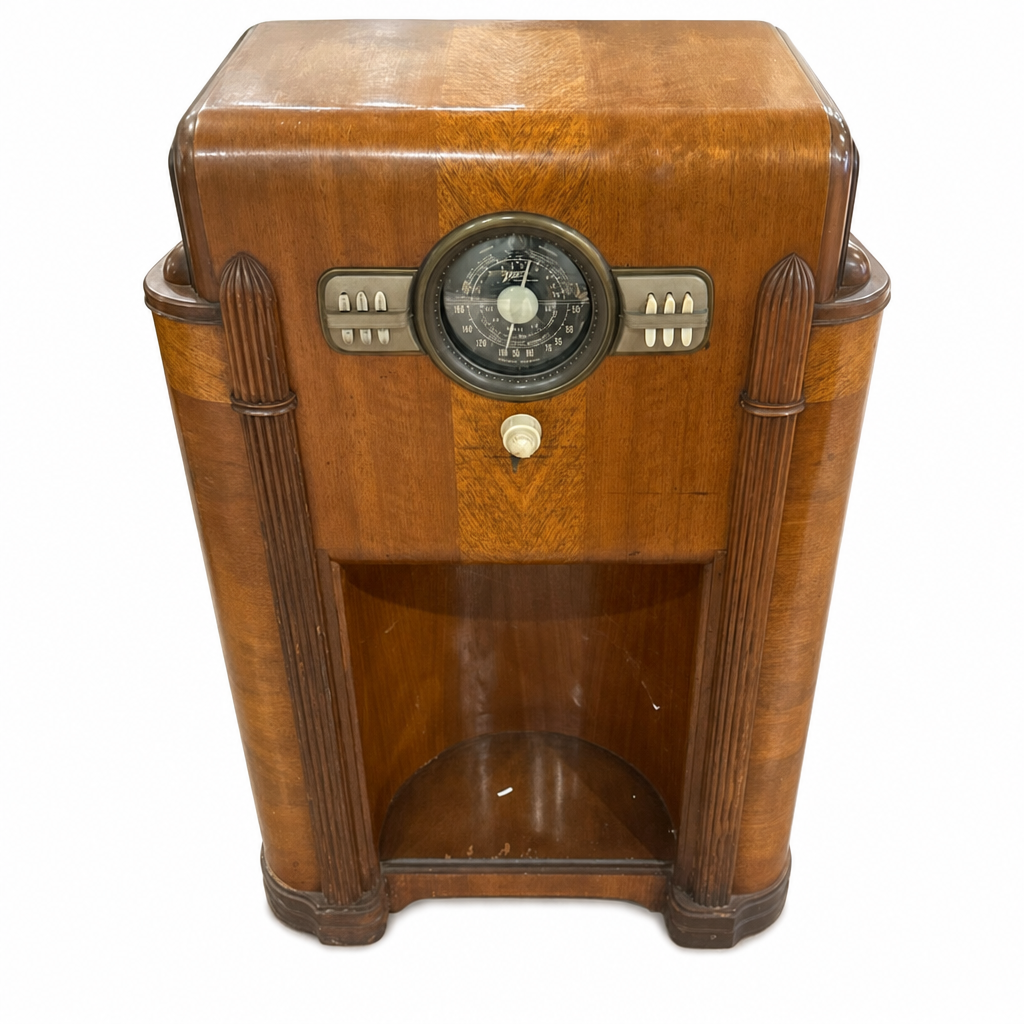
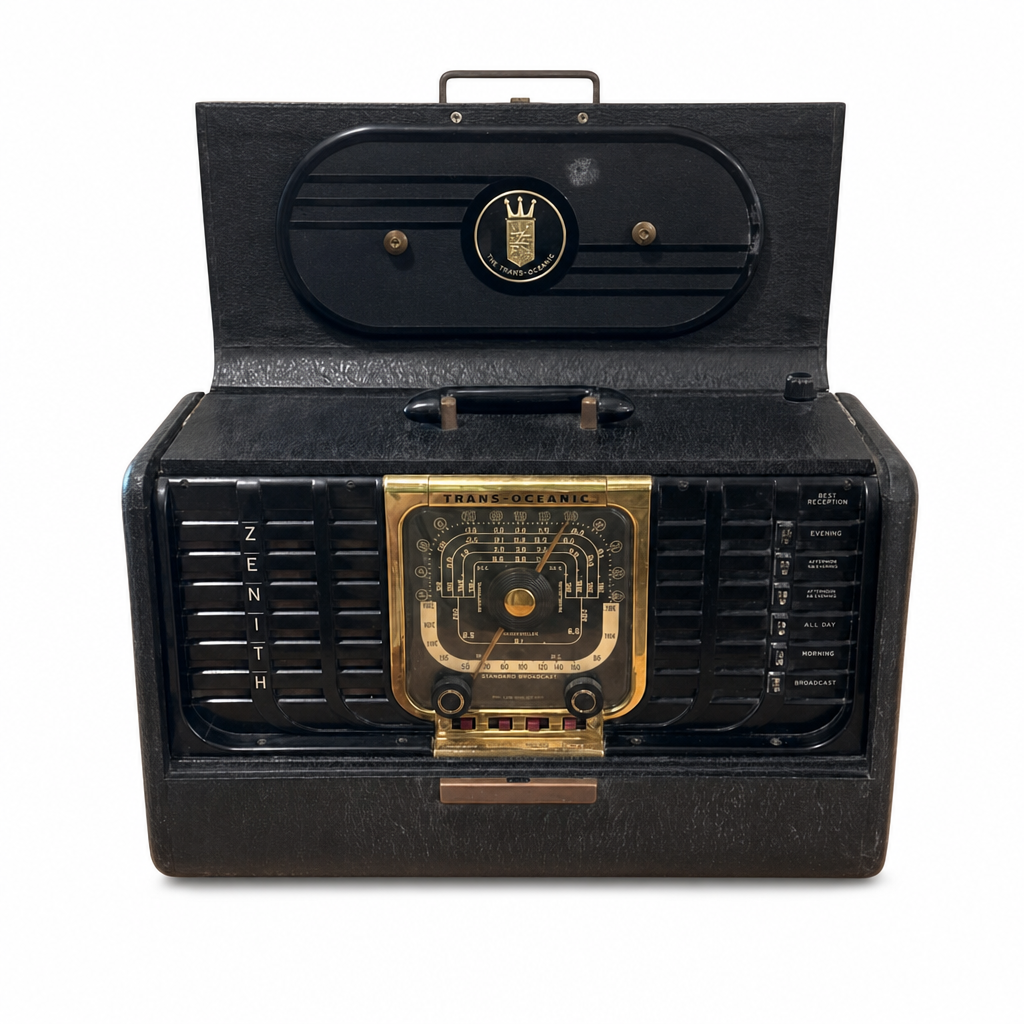
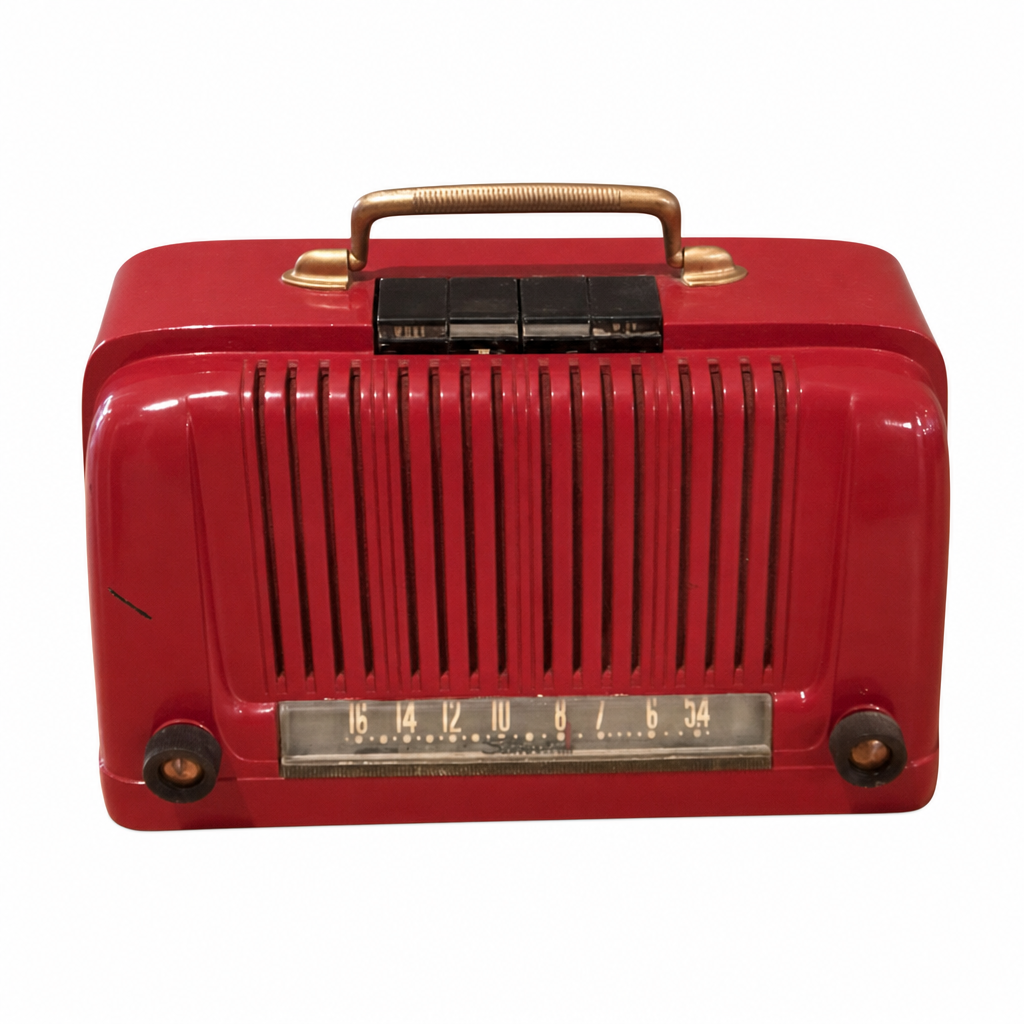
Radio brought news, music, and stories into the home instantly and for free. Families arranged living rooms around big wooden radios the way we arrange ours around screens — until radios shrank into bright plastic portables you could carry anywhere.
Period 5 · 1890s–1950s
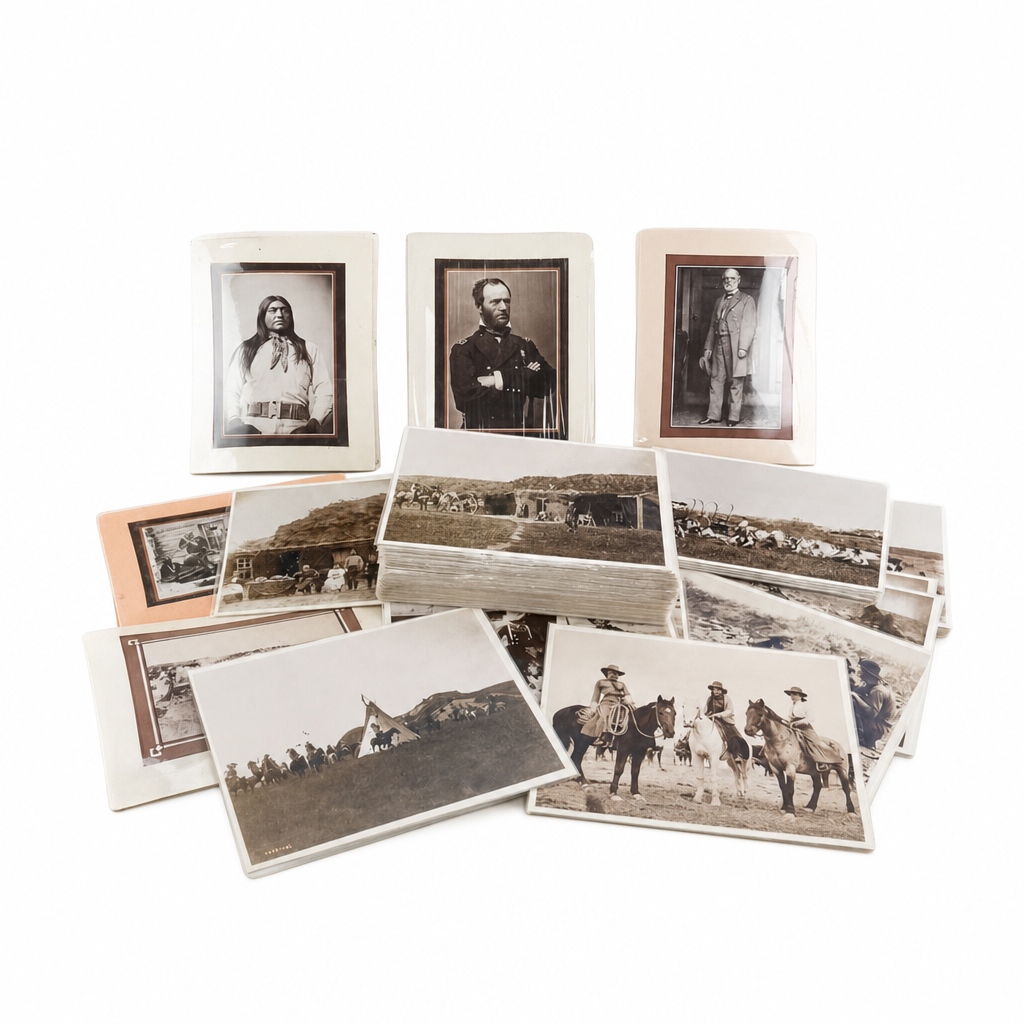
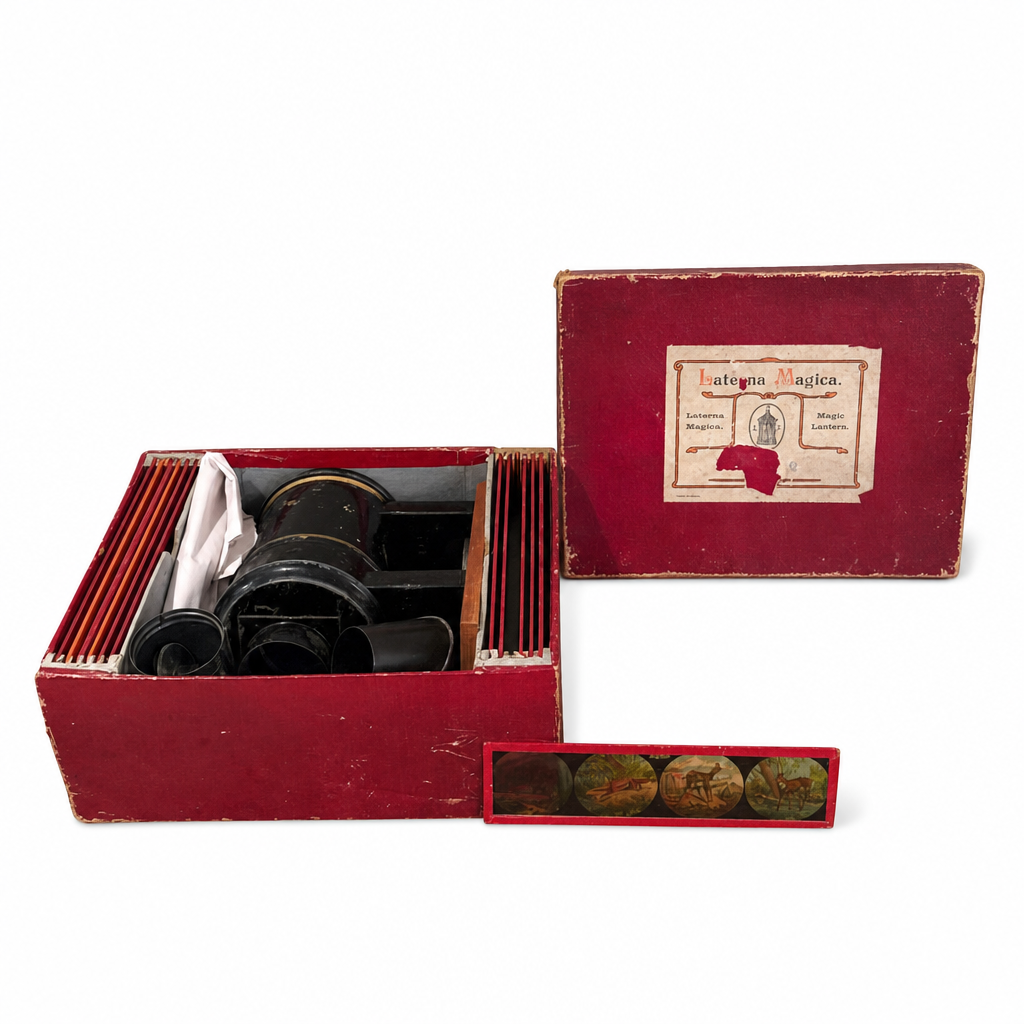
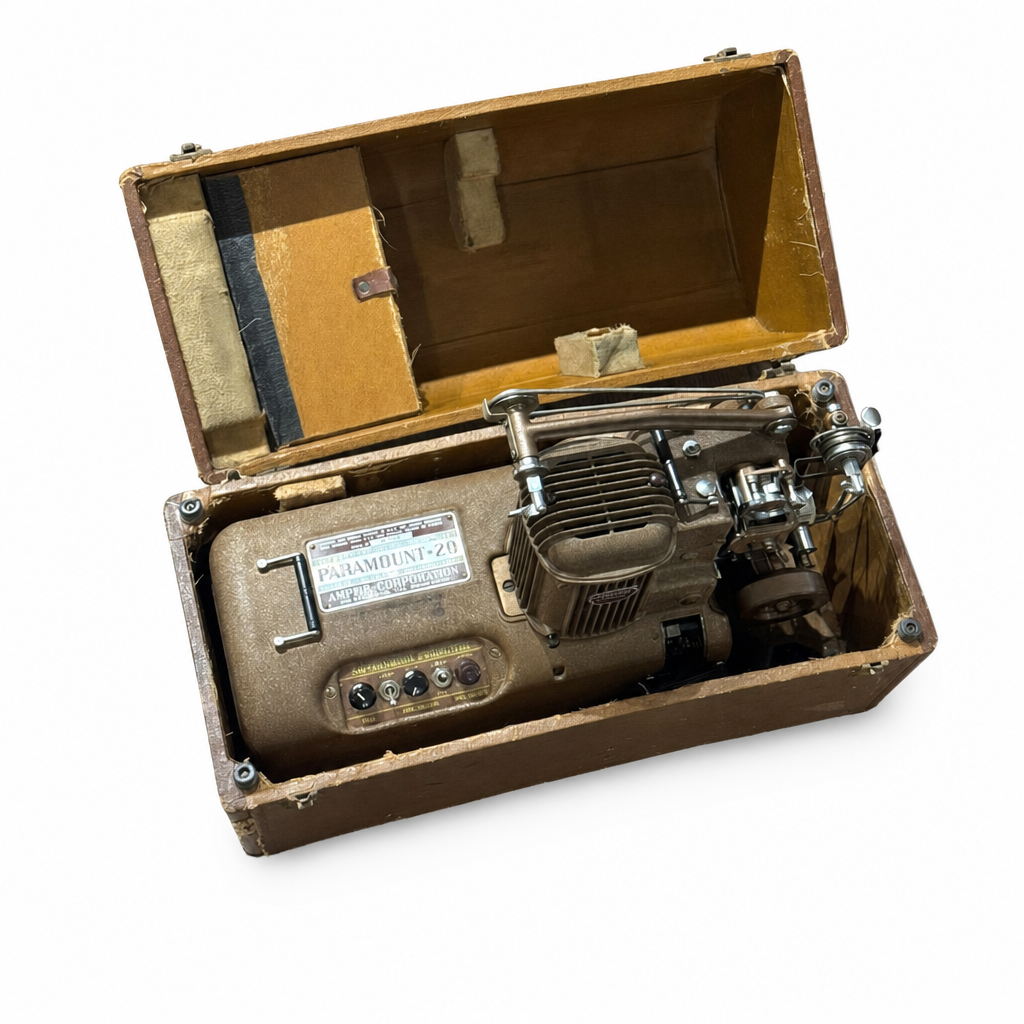
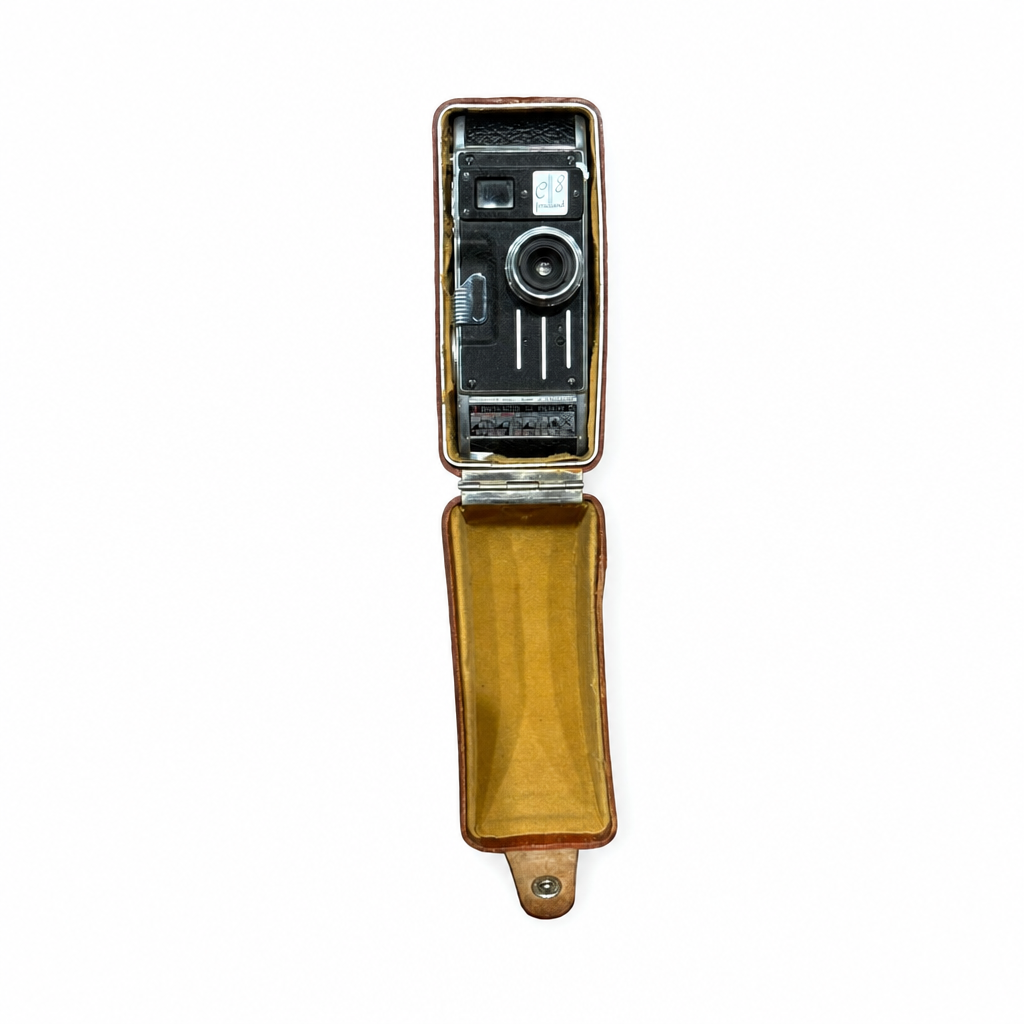
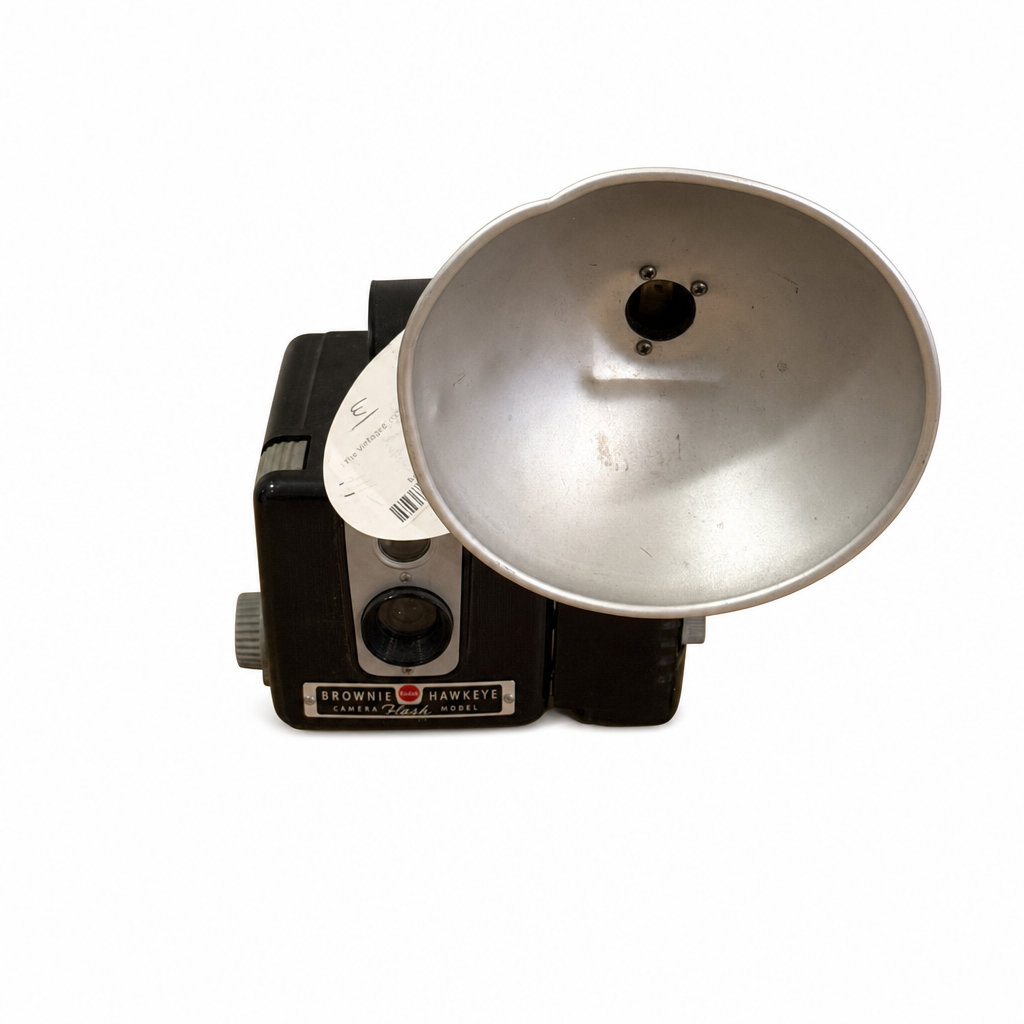
From magic-lantern slides on a bedsheet to a theater projector pulling film past a bright lamp, this is how pictures learned to move. Cheap box cameras like the Kodak Brownie meant ordinary families could finally photograph their own lives.
Period 6 · 1940s–1950s
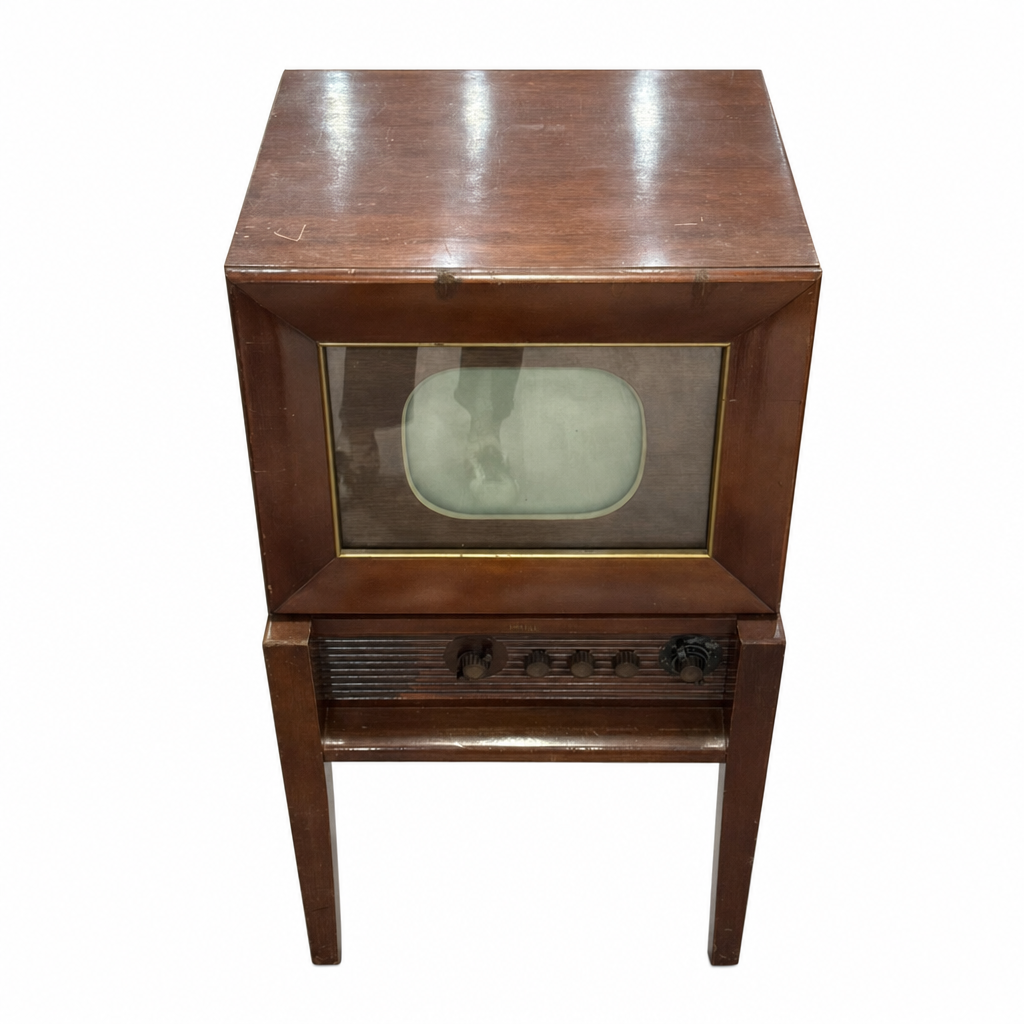
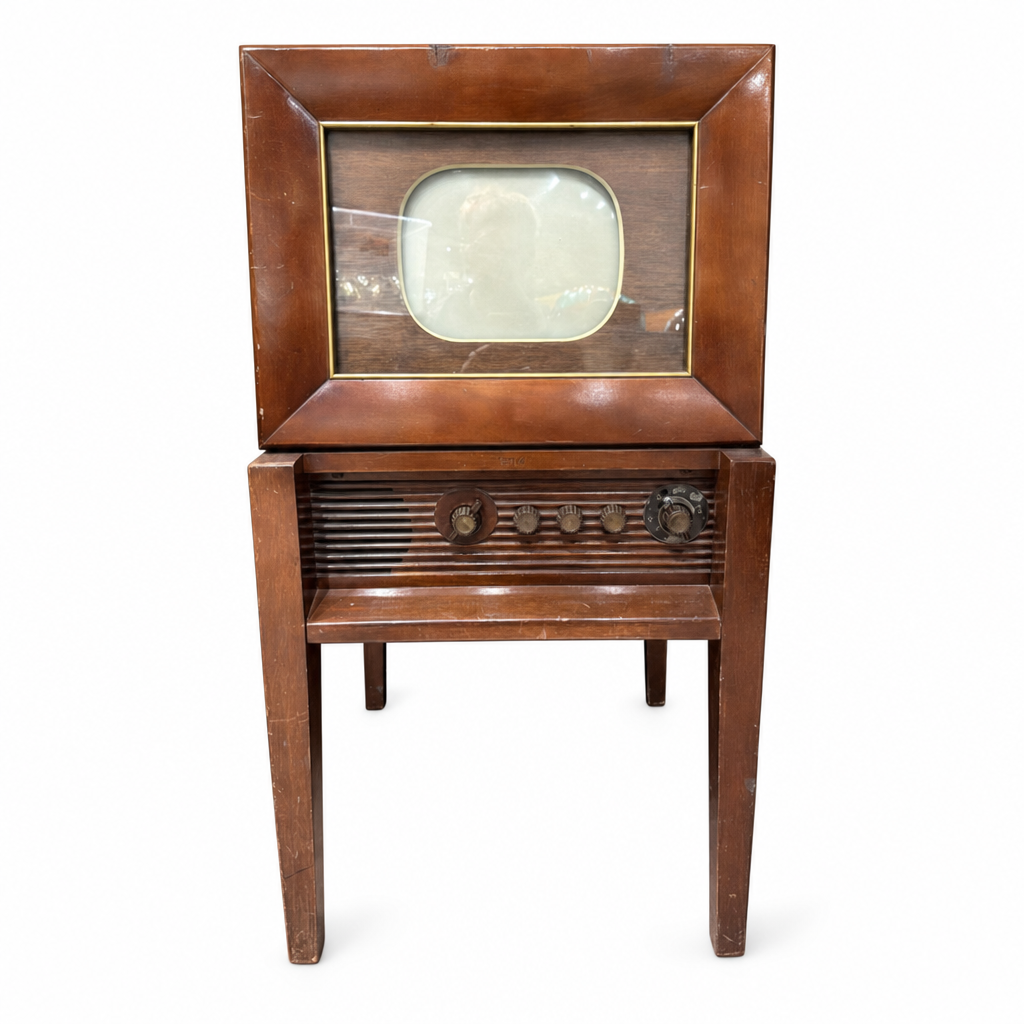
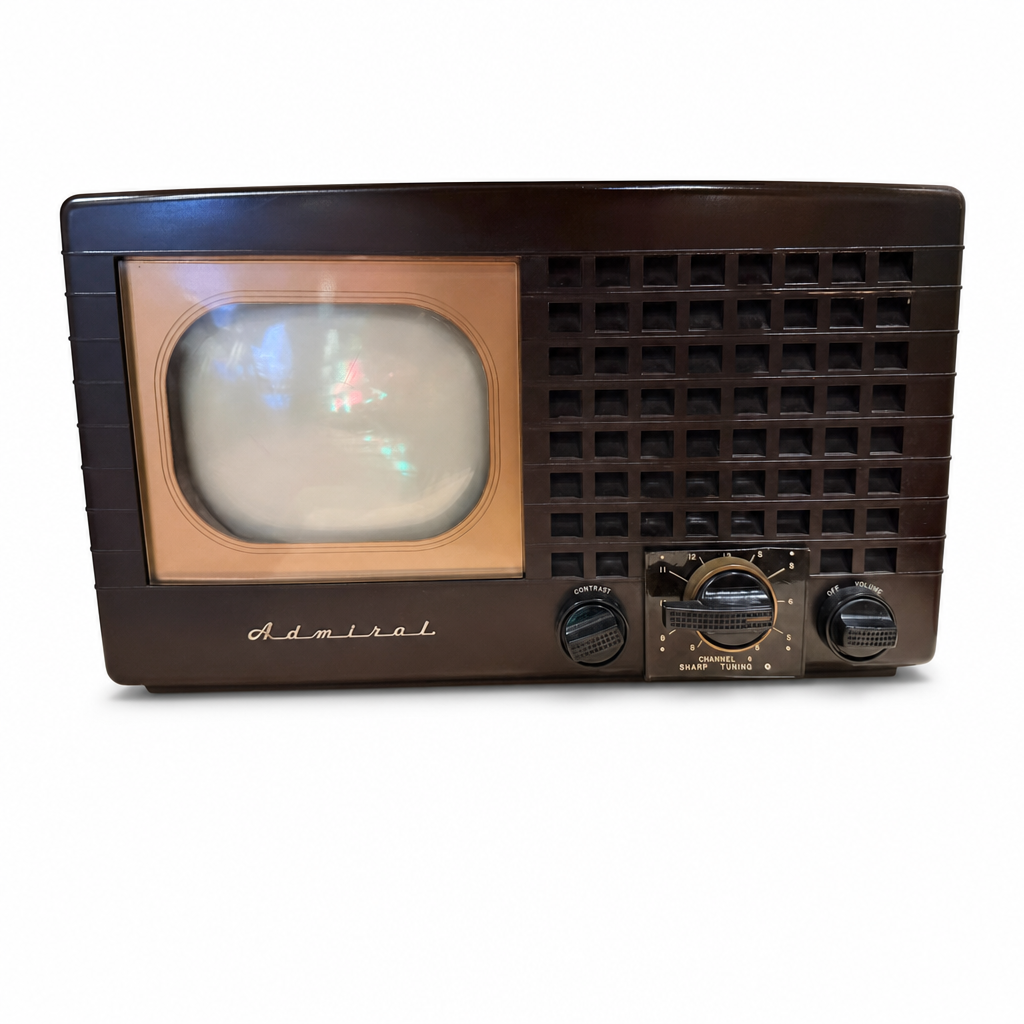
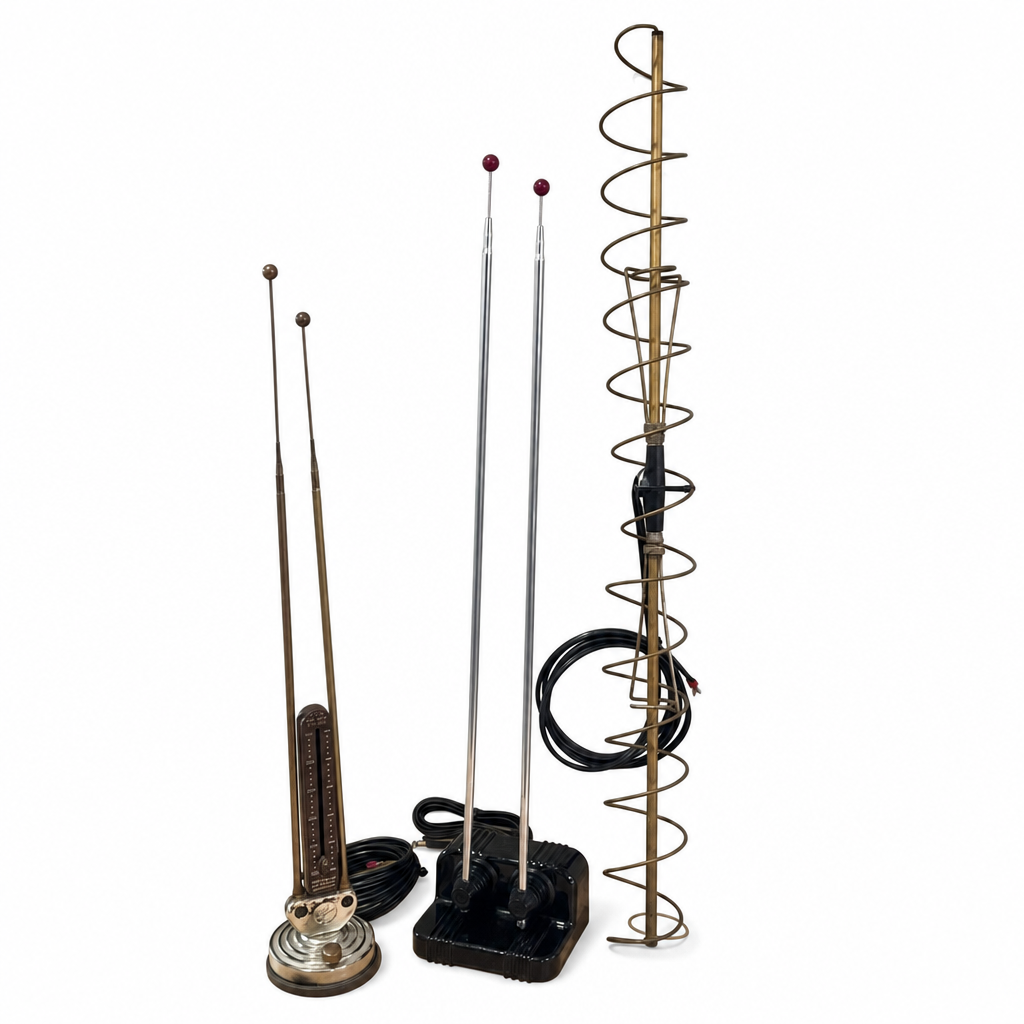
Television stacked every earlier invention — recorded sound, broadcasting, moving pictures — into one glowing living-room box. Every family needed a rooftop antenna to pull the picture out of the air.
Period 7 · 1910s–1980s
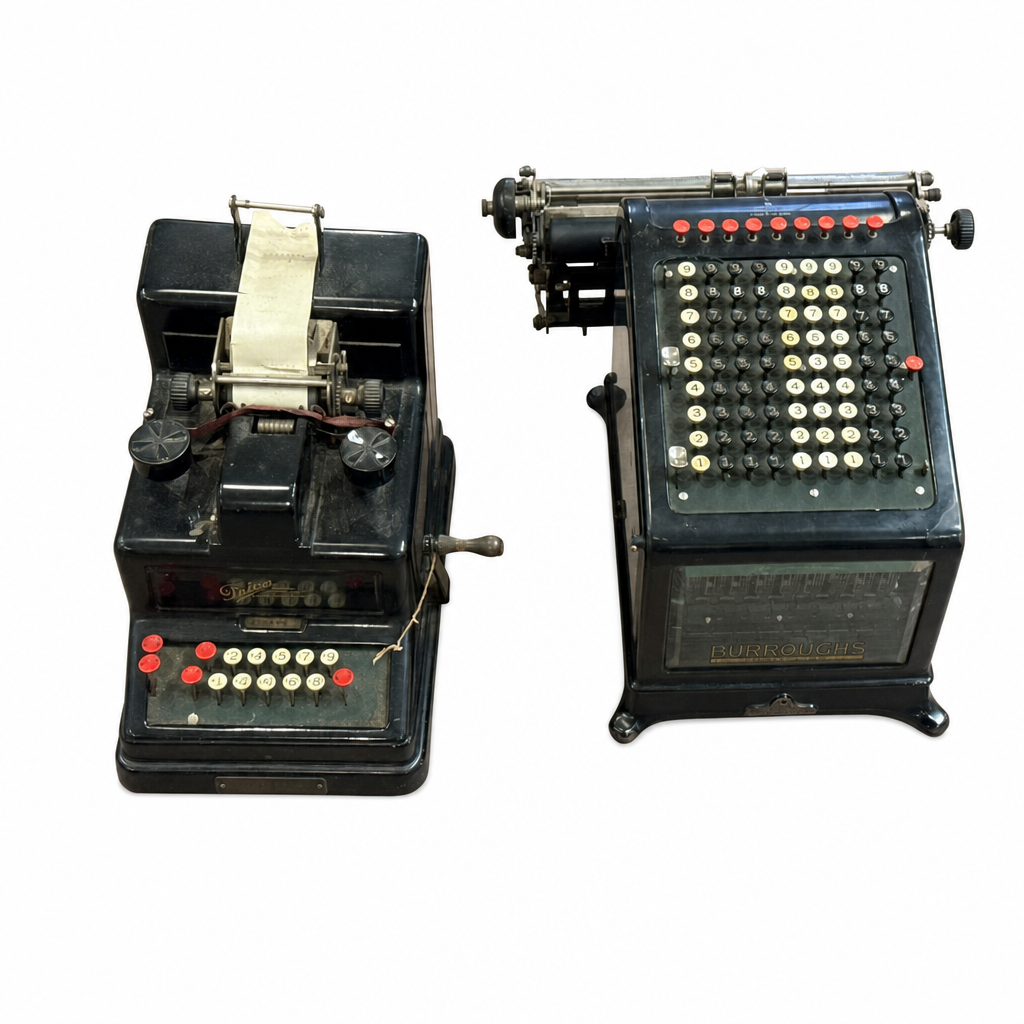
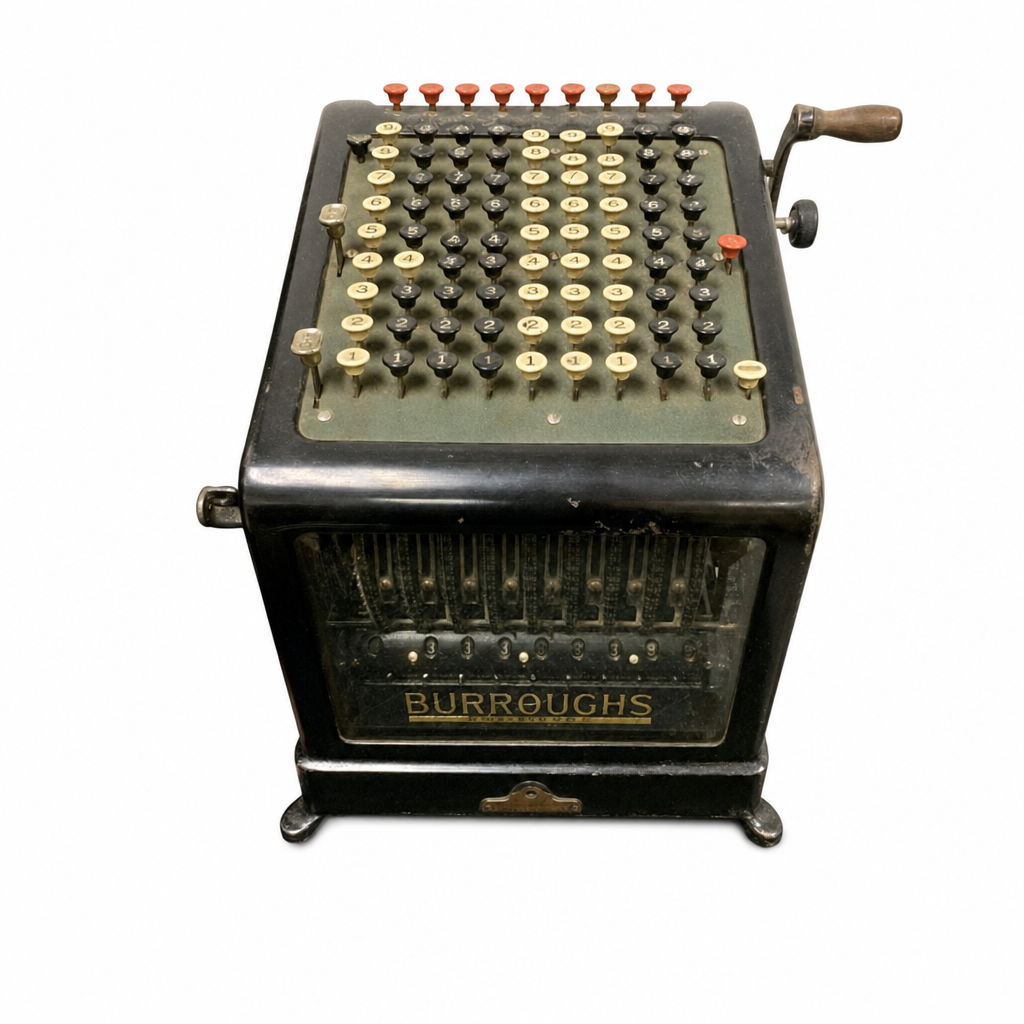
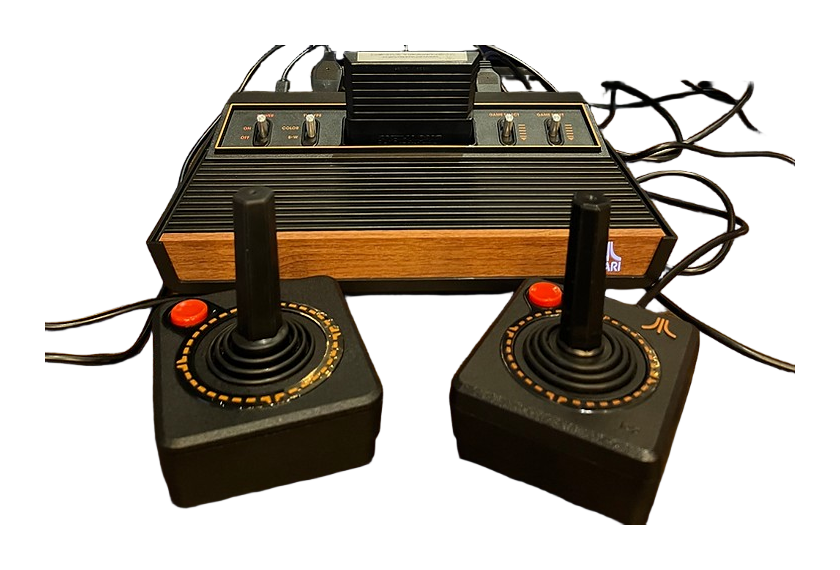
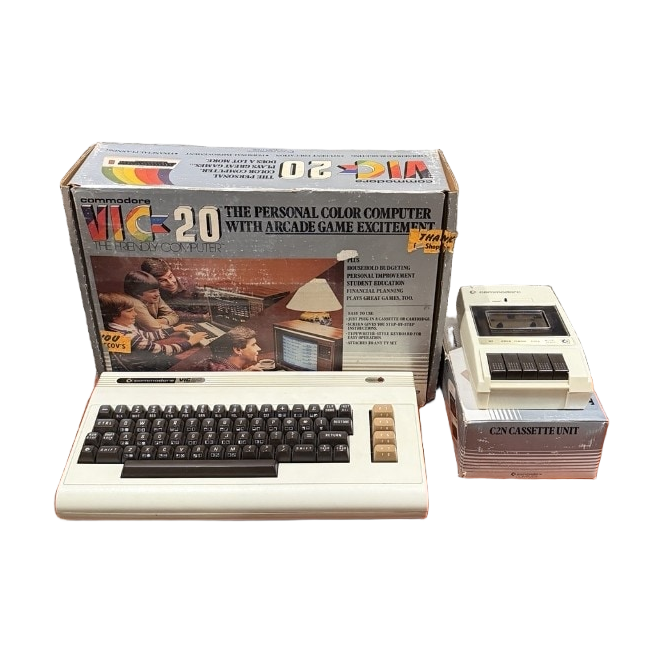
Before computers there were machines that could only add: pull the lever, and gears carried the ones. Then the Atari 2600 brought video games home and the Commodore VIC-20 put a computer on a family desk with less memory than one phone photo.